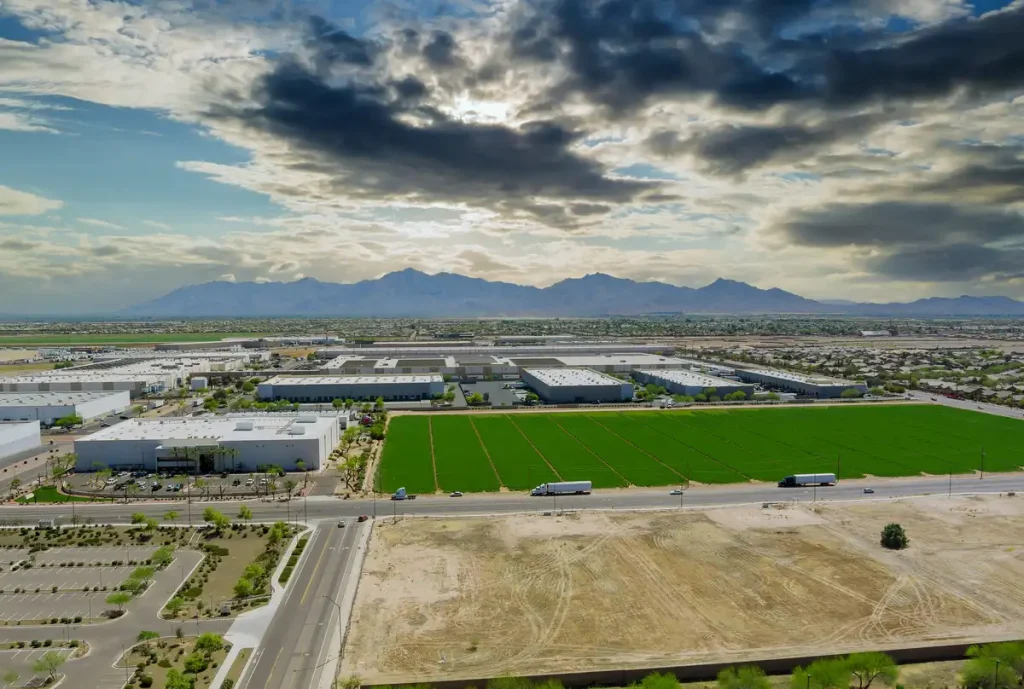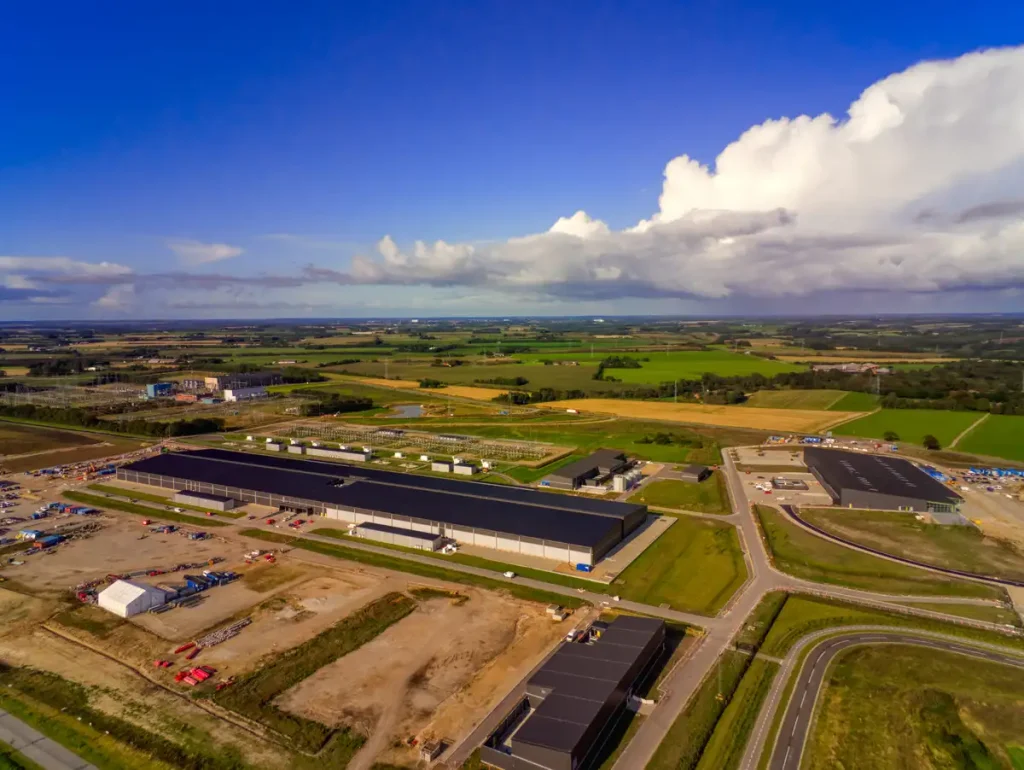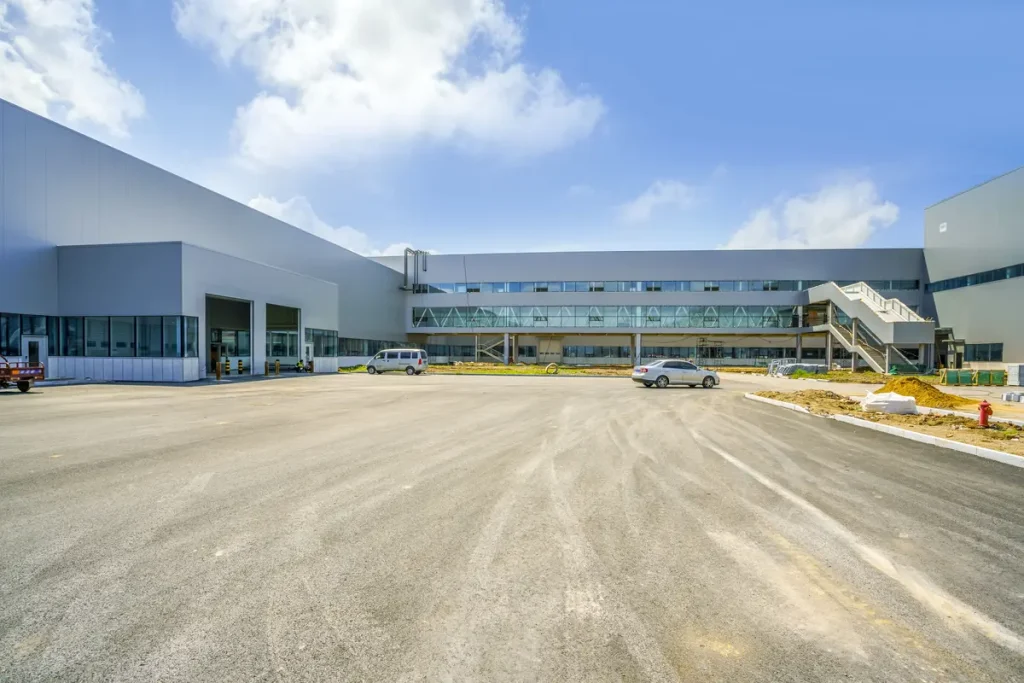
Gujarat has always been ahead of the curve when it comes to manufacturing. What’s interesting today is not that industries are coming to the state, that part is expected but how carefully they are choosing where to set up. The conversation around an industrial park in Gujarat has shifted from availability to suitability. Businesses are no longer asking only “Is land available?” They are asking, “Will this location still work five or ten years from now?”
That shift has quietly changed the importance of certain cities. Vadodara is one of them.
Gujarat’s Industrial Landscape Is Maturing, Not Expanding Blindly
For years, industrial growth in Gujarat followed a predictable pattern. Ports on one side, major cities on the other, and clusters growing rapidly in between. Today, many of those clusters are reaching saturation. Infrastructure is under pressure. Expansion is expensive. Compliance has become more layered.
This doesn’t slow Gujarat down, it refines it.
New industries are now looking for planned environments instead of scattered plots. That’s why organised industrial parks are becoming central to decision-making. They reduce unknowns. Roads, utilities, zoning, and access are already resolved. What remains is execution.
Why Vadodara’s Industrial Areas Are Being Re-evaluated
Vadodara has always had industry, but it rarely tried to brand itself loudly. Instead, it grew through function. Engineering units, pharmaceuticals, chemicals, logistics support, all developed steadily.
What’s changed recently is scale and intent.
The Vadodara industrial area today offers something many older clusters no longer can: room to operate without constant compromise. Industries can still find space that allows expansion. Transport routes are direct. Power and water planning remains stable. And importantly, the city is not yet struggling under its own growth.
This balance makes Vadodara increasingly attractive to businesses that wants control over timelines as well as costs.
Industrial Parks vs Traditional Industrial Zones
There’s a difference between traditional industrial areas and a modern industrial parks.
Older zones often grew organically. Over time, that led to narrow access roads, shared utilities stretched beyond capacity and inconsistent maintenance. These are not deal-breakers but they do add friction.
An industrial park in Gujarat functions more like a managed ecosystem. Entry points are designed for heavy movement. Internal layouts support logistics. Utilities are planned based on industrial load, not retrofitted later.
For new setups, this difference shows up immediately, during construction, approvals, and early operations.
Why Location Strategy Matters More Than Ever
In recent years, businesses have learned hard lessons about location dependency. Delays caused by traffic. Rising costs due to fuel inefficiencies. Labour issues caused by distance from residential zones.
Vadodara’s positioning reduces many of these pressures. It sits between major markets without being swallowed by them. Highways connect cleanly. Rail and air access support business movement without forcing reliance on a single mode of transport.
For logistics-driven or time-sensitive industries, this predictability is not a luxury. It’s operational insurance.
Workforce Stability as a Hidden Advantage
One factor rarely highlighted in glossy presentations is workforce stability.
Vadodara benefits from a workforce that is experienced, locally rooted, and less transient compared to heavily industrialised zones. Technical institutes, ITIs, and long-standing factories have created a talent base that understands industrial discipline.
This matters in the long run. Lower attrition. Faster training cycles. Better shop-floor continuity.
For industries planning steady production rather than short-term output, this becomes a quiet advantage.
The Role of Industrial Parks in Future Growth
As compliance standards tighten and sustainability becomes unavoidable, industrial parks are going to play a bigger role in Gujarat’s next growth phase.
Shared infrastructure allows better waste management. Planned layouts improve safety and logistics flow. Centralised systems make upgrades easier as regulations evolve.
Vadodara’s industrial development is moving in this direction, toward parks and corridors rather than scattered expansion. This approach protects both businesses and the city from unplanned strain.
Where This Leaves Decision-Makers Today
For anyone evaluating industrial expansion or new setups, the question is no longer just “Where is industry happening?” It is “Where will industry function smoothly over time?”
An industrial park in Gujarat offers structure. A well-planned Vadodara industrial area offers balance. Together, they create an environment where growth doesn’t come at the cost of control.
Vadodara may not be the loudest name on the industrial map, but in today’s climate, that quiet efficiency is exactly what many businesses are looking for.